A businesswoman talking into her phone during a meeting.
For individuals who are deaf or hard of hearing, having access to the appropriate technology can mean the difference between being a part of the conversation and being left on the sidelines. And while many individuals who are deaf/heard of hearing are capable of reading lips in a one-on-one setting, there are still many barriers…
Read more

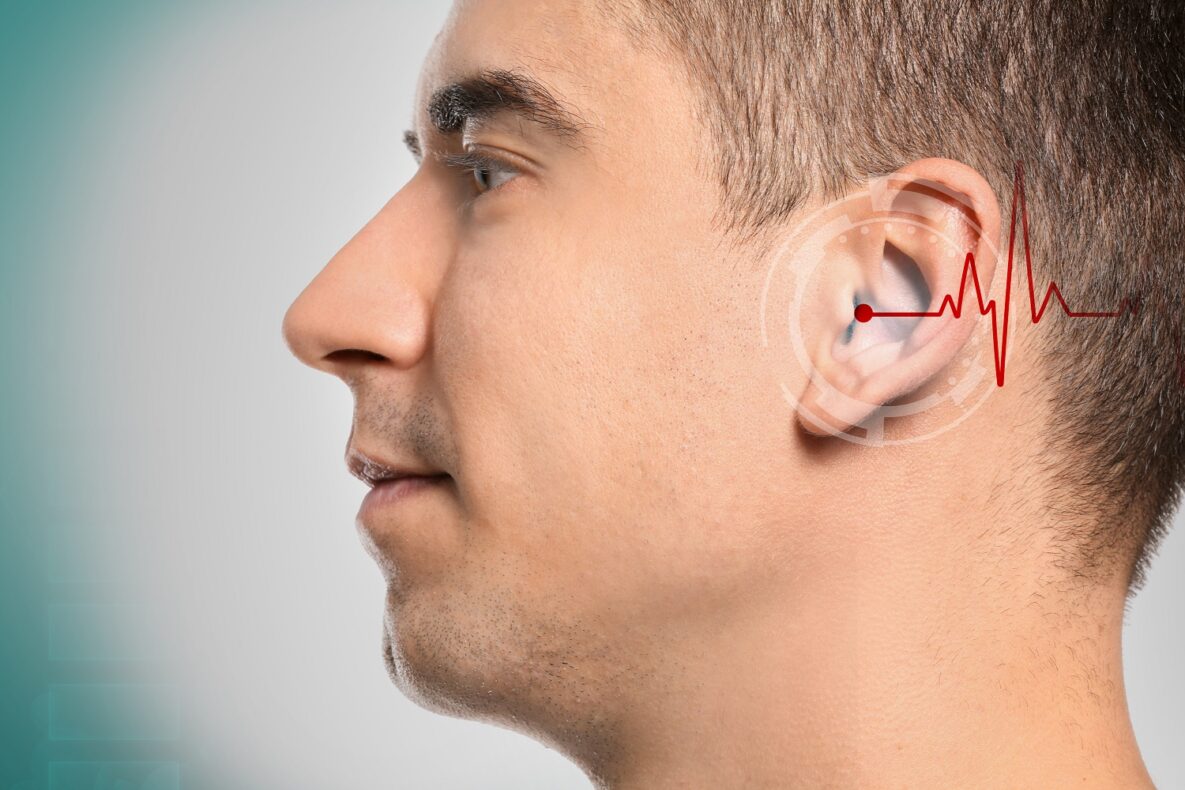
A man with hearing loss.
This month, Google introduced a new accessibility app which has the potential to change the way that deaf and hearing-impaired individuals communicate with those around them. Live Transcribe uses cloud-based speech recognition to display spoken words on a phone screen in real-time. Prior to this innovation, captioning technology typically required the use of a human…

Read more

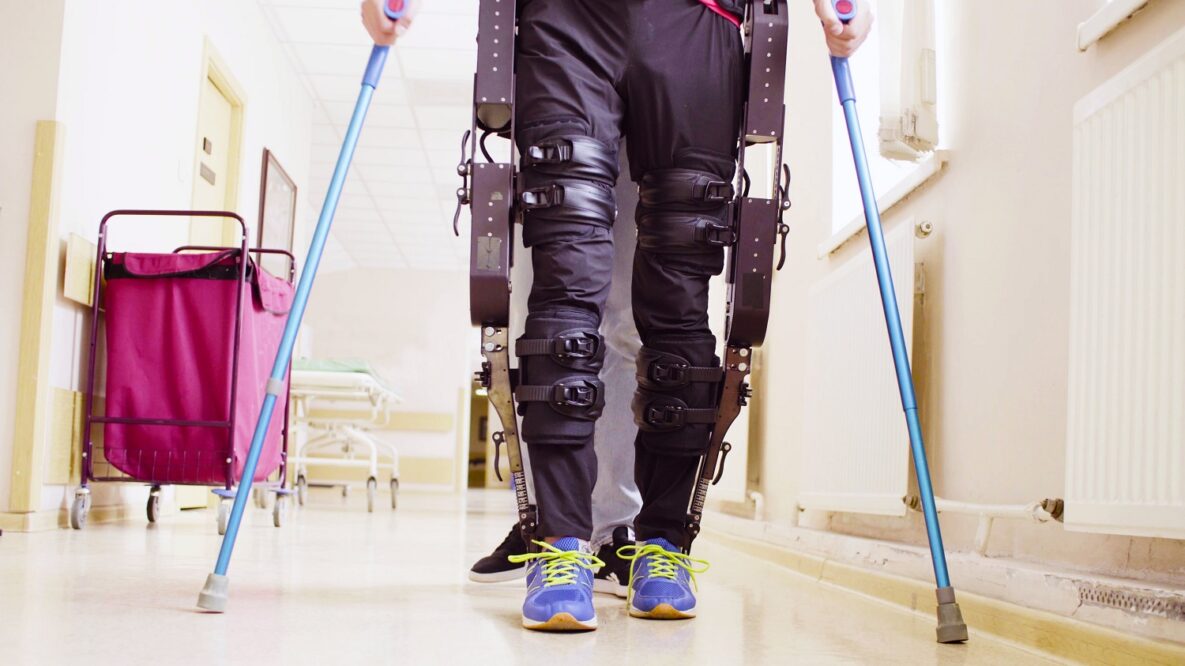
A man using an exoskeleton to walk.
Augmentative technology, at least according to the North American definition of the word, is technology that is designed to augment the lives of able-bodied individuals. Of course, this technology is often adopted by assistive technology (AT) users, and when that happens, the technology would then be considered AT, as AT is defined as “any item,…

Read more

A man using a laptop to study with headphones.
Taking notes manually can be a frustrating and imperfect process. It’s often difficult to keep up with the speaker, and most serious note-taking sessions result in cramped hands and hastily-written, hard to read notes. Now, with advent of digital note-taking technology, the process of taking notes can be much simpler, not to mention easier on…

Read more